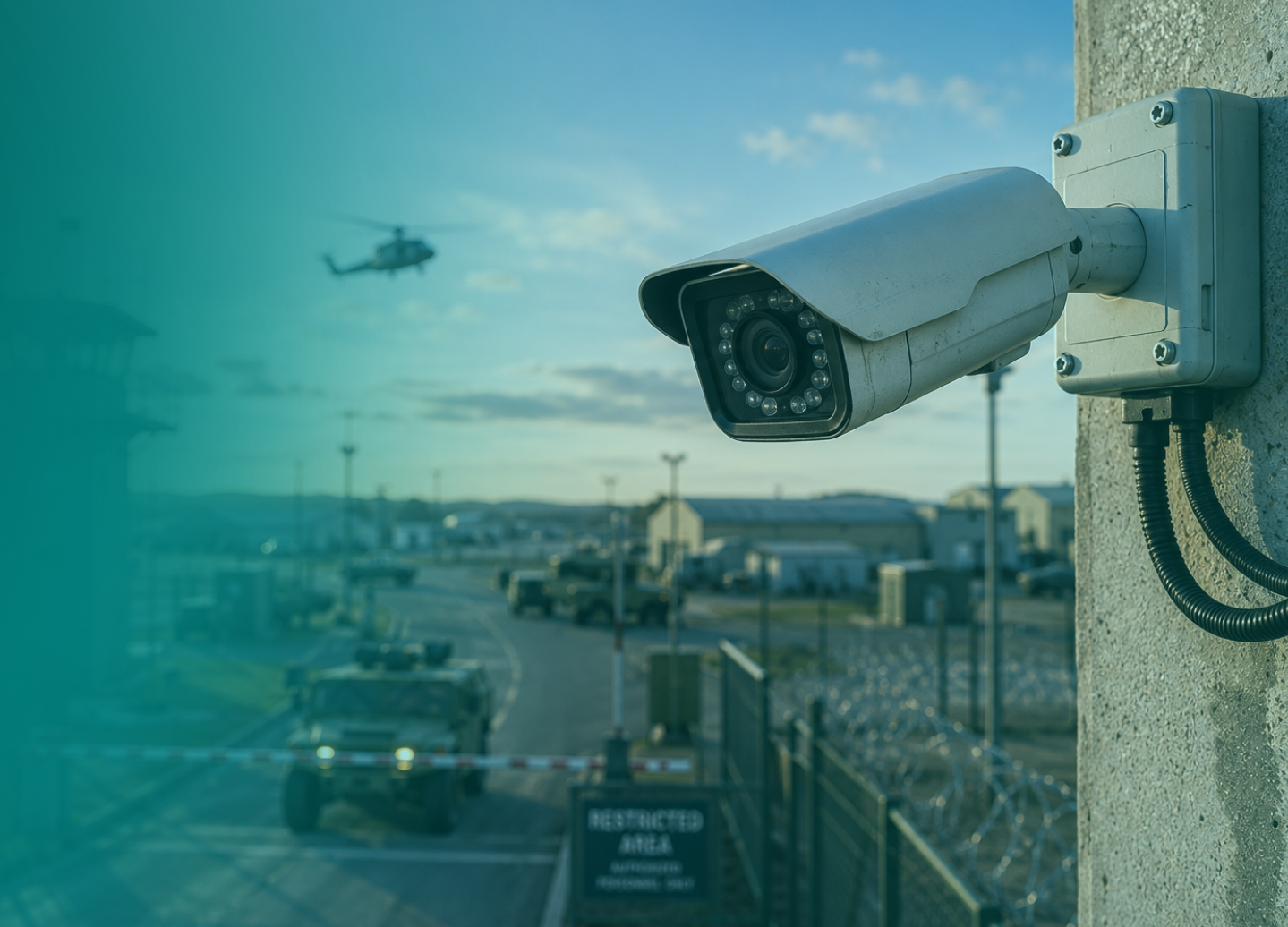
Securing Complex Military Bases
Military bases have never been simple to protect. Today, they’re becoming significantly more complex.
Personnel, contractors, visitors, vehicles, autonomous systems and critical assets move constantly across large estates, while security teams are expected to maintain complete situational awareness with finite people and resources.
The challenge isn’t that defence organisations lack security infrastructure. It’s that the volume of information generated by that infrastructure has outgrown our ability to process it effectively.
Traditionally, military security relied on physical barriers, patrols, access control systems, and CCTV. These measures remain essential, but the environments they protect have evolved. Defence estates are increasingly dynamic, activities are now dispersed, supply chains are more complex, personnel numbers fluctuate, and estates support a wider range of functions.
Security teams must maintain vigilance without disrupting daily operations. Yet more cameras do not always mean greater situational awareness. Many defence organisations have invested in security technologies, but these systems often operate independently,leaving operators switching between multiple screens, moving between platforms and manually verifying incidents.
The reality is that human attention is finite.
As the volume of data that individuals must process continues to increase, so too does the risk of critical events being overlooked or response times being delayed. The issue isn’t lack of data, but the speed at which that data can be turned into actionable insight to support decision-making.
Visibility alone isn’t the same as understanding.
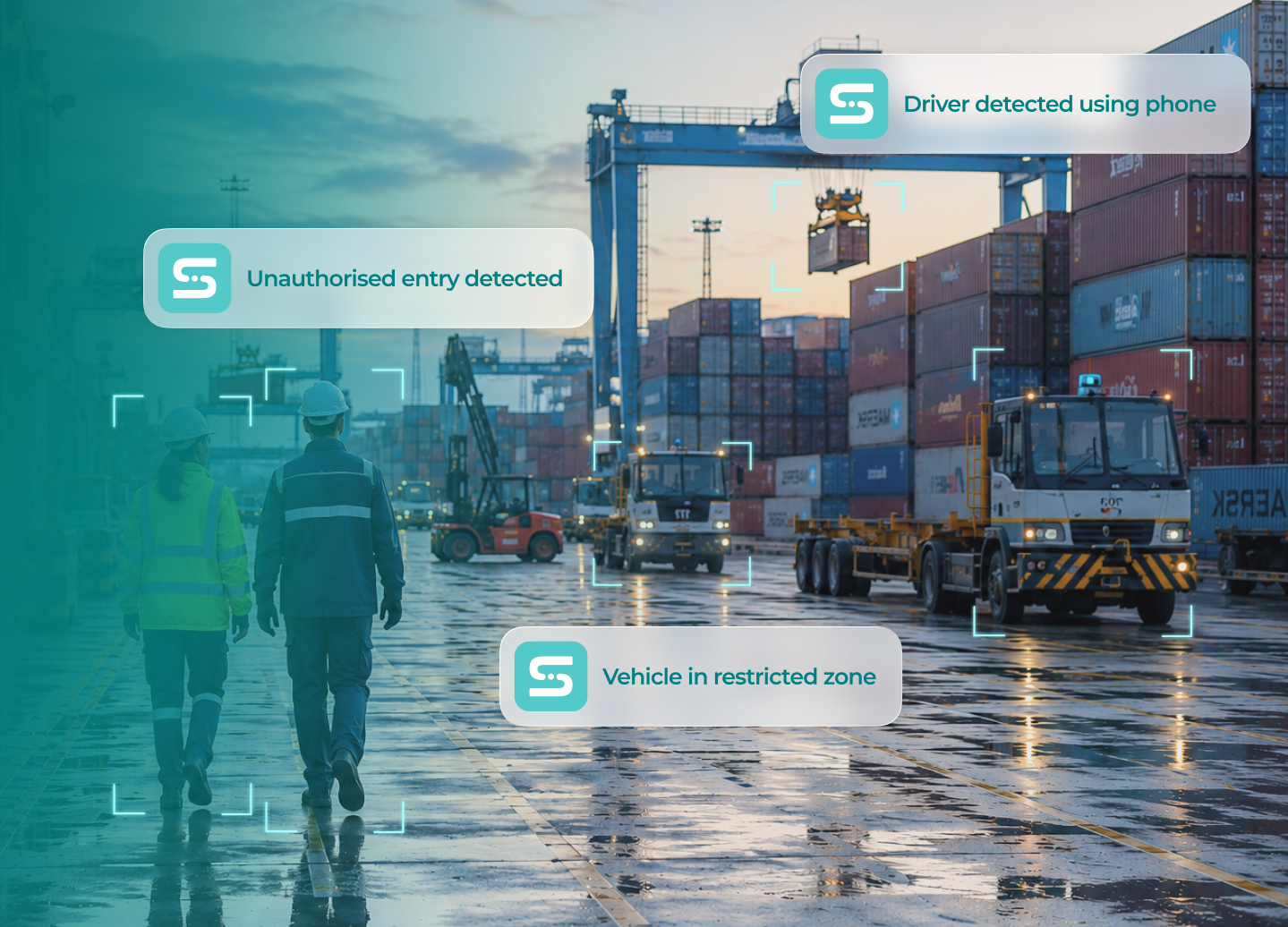
This is where connected operational intelligence can make a difference. Rather than replacing existing infrastructure, it connects cameras, sensors and operational systems to provide the context needed to understand what is happening, why it matters and where attention should be focused. Technology should support experienced security personnel by helping them prioritise genuine risks rather than routine activity.
By analysing information from existing cameras and sensors, organisations can identifyevents that warrant further investigation, such as unusual activity around sensitive areas, unauthorised access attempts, repeated perimeter incursions, or behaviours that deviate from expected patterns. This enables security teams to move from passive monitoring to proactive intervention.
Human judgement remains crucial; technology identifies potential risks, and people determine the appropriate response. Protecting operational capability involves more than physical assets; it depends on the people who live and work across defence estates. Creating safe and confident environments contributes to resilience and readiness. Reducing the burden on security teams allows them to focus on genuine threats rather than routine activity, while improving situational awareness helps organisations respond more effectively when incidents occur. Ultimately, protecting people and protecting assets are intrinsically linked.
Making better use of existing technologies is a significant opportunity for defence organisations. Understanding how existing investments can deliver greater operational value is crucial. Cameras provide more than retrospective evidence, sensors offer a broader understanding of estate activity, and when information from multiple sources is brought together it creates a clearer operational picture. In resource-constrained environments, making better use of existing infrastructure is a practical and scalable approach to enhancing security.
The future of defence estate protection will not be defined by the number of cameras or control rooms, but by an organisation’s ability to understand and respond to increasingly complex environments. Security has always been about protecting what matters most. As military estates evolve, so must the tools and approaches used to safeguard the people, assets and capabilities that underpin national defence. Protecting operational capability starts with protecting the people and places that enable it.