Stronger Safety Culture Starts Before Incidents Happen
Health and safety culture is not built through policies alone. It’s shaped by everyday behaviours, consistent standards people see around them, and how consistently organisations respond when things start to slip.
In many operational environments, non-conformance is still managed reactively. Small shortcuts, missed PPE, unsafe habits or procedural workarounds can slowly become normalised over time. Left unaddressed, those behaviours can influence wider culture and increase operational risk long before an incident occurs.
That’s why organisations are beginning to look beyond reactive health and safety management, and towards earlier visibility of the behaviours and patterns that shape workplace culture everyday.
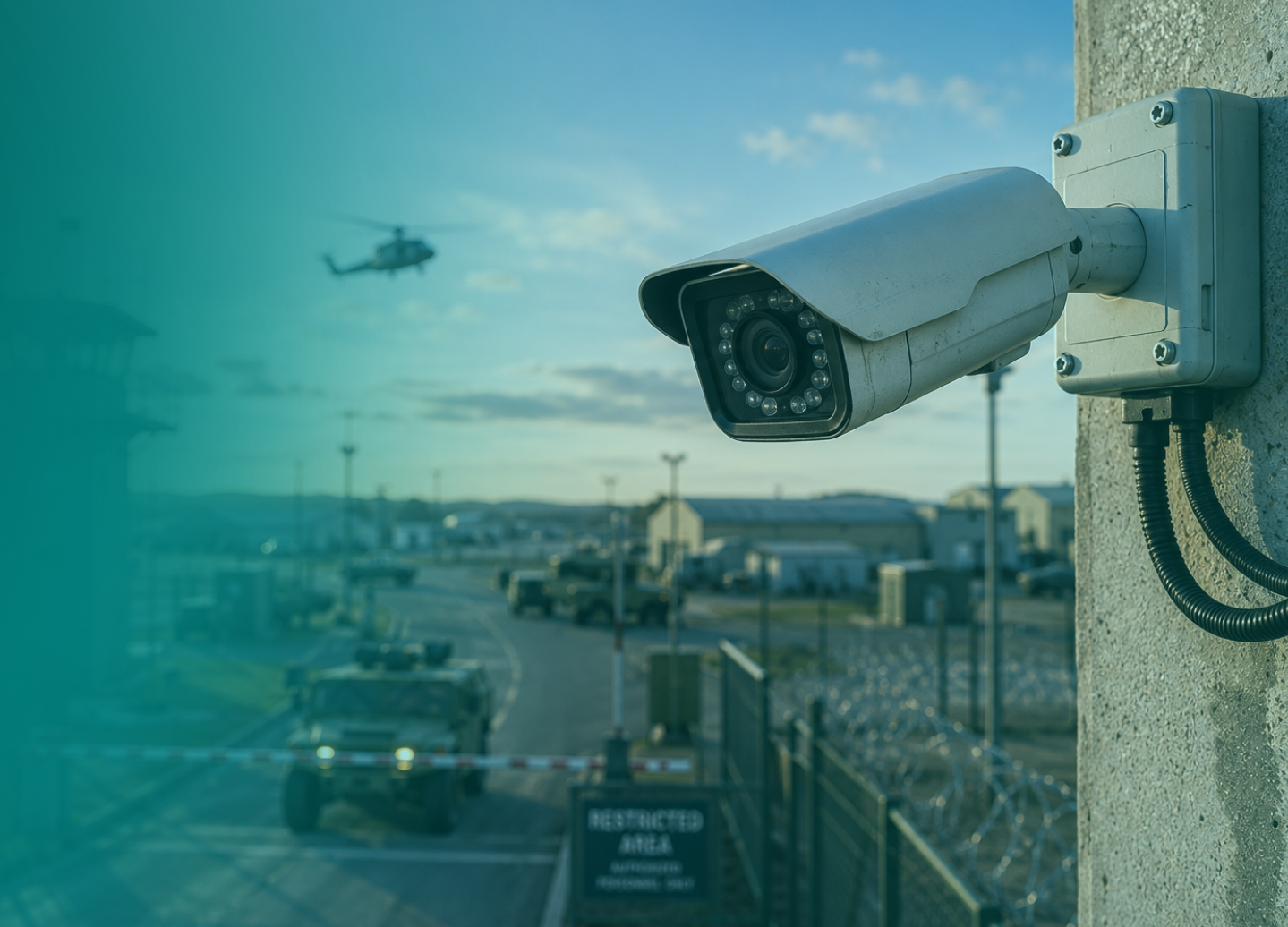
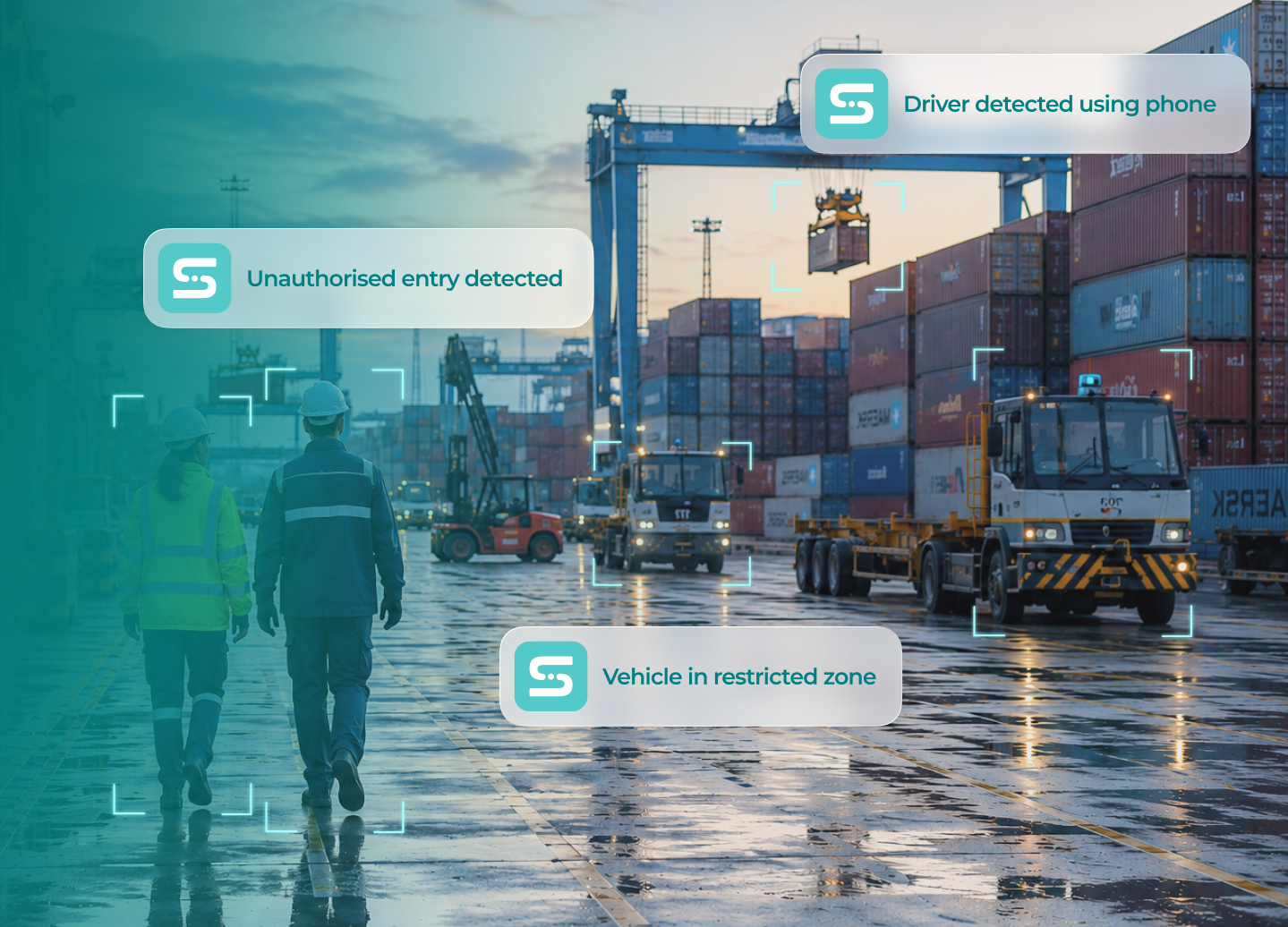
At SIYTE, we're supporting organisations to take a more proactive approach to reinforcing a strong health and safety standards. By using existing cameras, sensors and operational systems, SIYTE provides real-time visibility of unsafe behaviours, process deviations and operational risk across complex environments.
But the value isn’t simply in identifying issues as they happen. It’s in helping organisations understand why they are happening in the first place.
In many workplaces, non-conformance is still handled in isolation. An issue is spotted, resolved locally and often never contributes to wider organisational learning. Over time, that can make it difficult to identify recurring behaviours, inconsistent standards or emerging cultural challenges across teams, shifts or sites.
SIYTE helps create a broader, evidence-led view.
By identifying where standards are slipping, how often issues occur and whether patterns are developing, organisations can move beyond anecdotal reporting and make more informed decisions around training, supervision and operational processes.
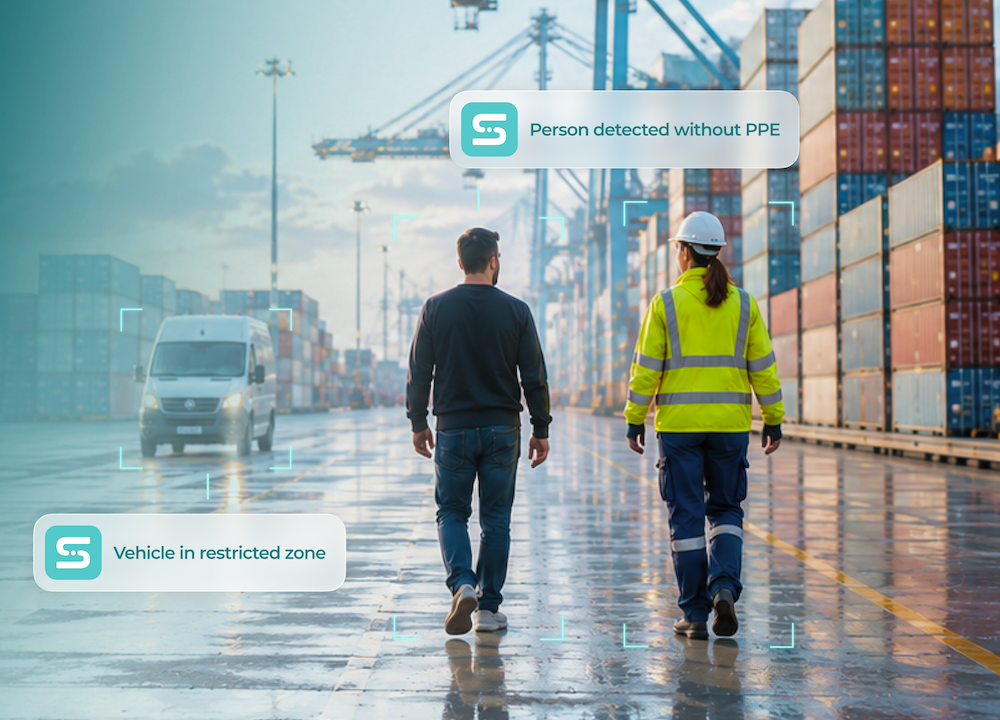
This becomes particularly valuable in hazardous and operationally demanding environments such as rail and ports. In ports, this may involve identifying missing PPE, usage interactions between people and plant or unauthorised access into restricted operational areas. In rail, it can support safer behaviours around platform-edge risk, trackside access, restricted zones and other optional safety procedures.
The important point is that’s visibility creates opportunity for intervention before harm occurs.
Rather than asking only, “what happened?”, organisations can begin asking more meaningful questions:
- Is this a training issue?
- A process issue?
- A supervision gap?
- A repeated behavioural pattern?
These insights can then support more targeted coaching, awareness, clearer communication and stronger learning outcomes.
It also allows organisations to look at health and safety culture in a more proactive way. Traditionally, safety performance is often measured through lag indicators such as incidents or near misses. But those metrics only appear after something has already gone wrong.
A more proactive approach considers the warning signs earlier.
Patterns of repeated non-conformance, severity trends, recurring behaviours and improvement after intervention can all help provide a clearer picture of how safety culture is evolving over time, and where additionalsupport may be needed.
While rail and ports are strong examples of where SIYTE can support immediate operational value, they are only some of the environments we’ve encountered through deployments and customer conversations so far.
Every operational environment has its own pressures, behaviours and risks. One of the strengths of SIYTE is its flexibility. As organisations begin using the platform, new opportunities often emerge to improve visibility, reinforce safer behaviours and strengthen culture in ways that were not initially anticipated.
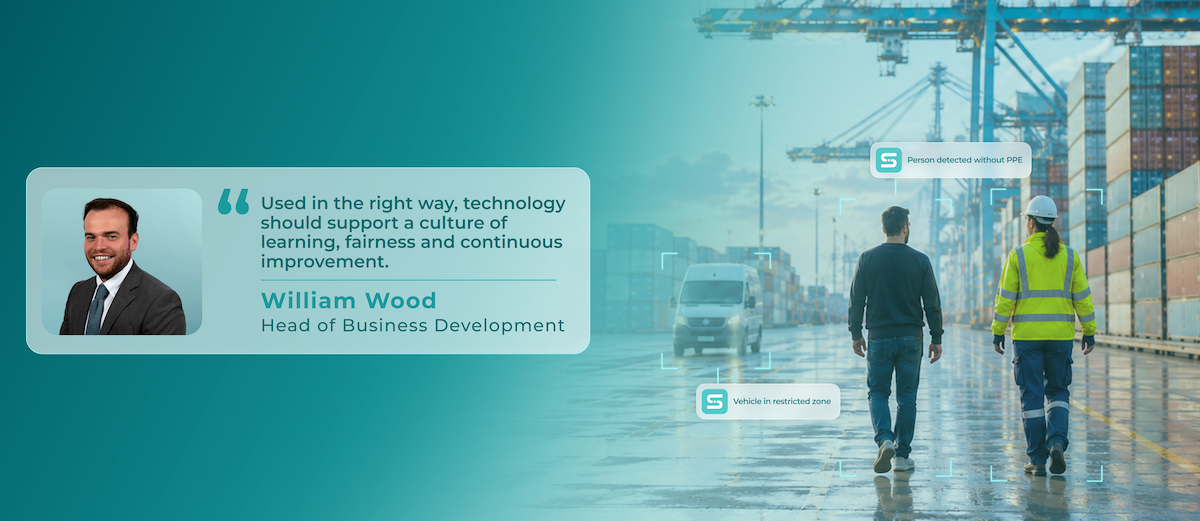
Used in the right way, technology should support a culture of learning, fairness and continuous improvement.
Because strong safety culture is not created after an incident.
It’s built every day beforehand.