Why the Next Stage of Digital Transformation is a Layer, Not Another System
Why the Next Stage of Digital Transformation Is a Layer, Not Another System
For years, digital transformation has often meant adding another system.
Another dashboard. Another platform. Another reporting tool. Another screen for operational teams to monitor.
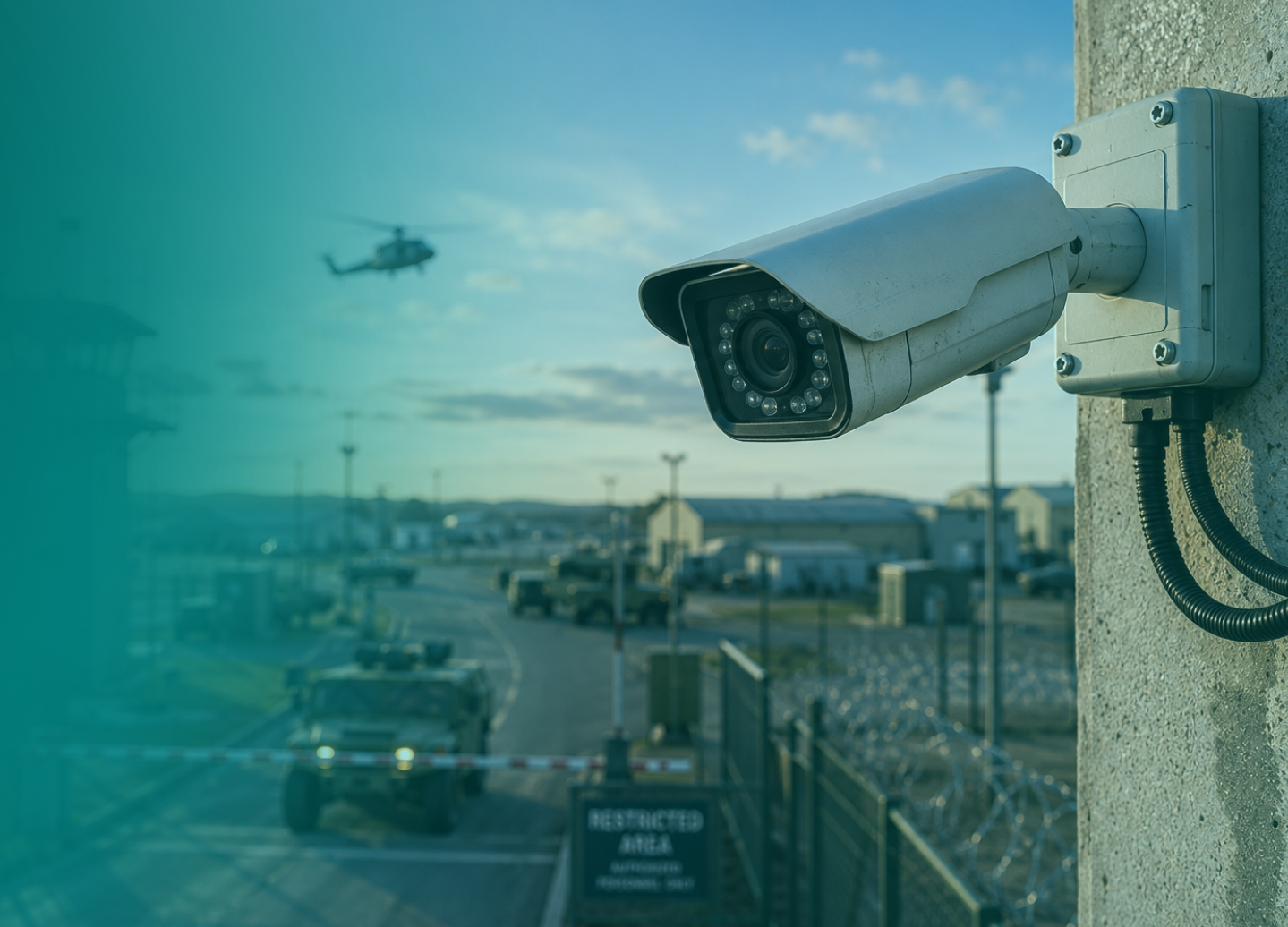
Today, the challenge is no longer whether they have technology. Most organisations already have cameras, sensors, operational systemsand vast amounts of data. The real challenge is making those technologies work together.
The next stage of digital transformation isn’t about adding more systems.
It’s an intelligence layer.
Rather than sitting alongside existing technology as another application to manage, an intelligence layer sits across it, bringing together cameras, sensors, operational systems and workflows into a single operational picture. It provides the context teams need to understand what's happening, why it matters and what should happen next.
Recent advances in AI and machine vision have made this possible. Existing infrastructure can now deliver far greater operational value than when it was first deployed, without the cost and disruption of replacing entire technology estates.
This is what SIYTE calls layered intelligence.
Instead of replacing existing infrastructure, SIYTE layers intelligence across the technology organisations already relies on, helping them unlock greater value from previous investment.
That distinction matters.
Operational environments are rarely built around a single platform. New technology sits alongside legacy systems. Security, operations, maintenance and compliance often work from different tools, dashboards and reports, each providing only part of the operational picture.
Ports demonstrate this perfectly.
Every day, vehicles move across terminals, gates open and close, equipment changes status, cameras detect activity and environmental conditions shift. Every system records valuable information, but very few understand how those events relate to one another.
Layered Intelligence changes that.
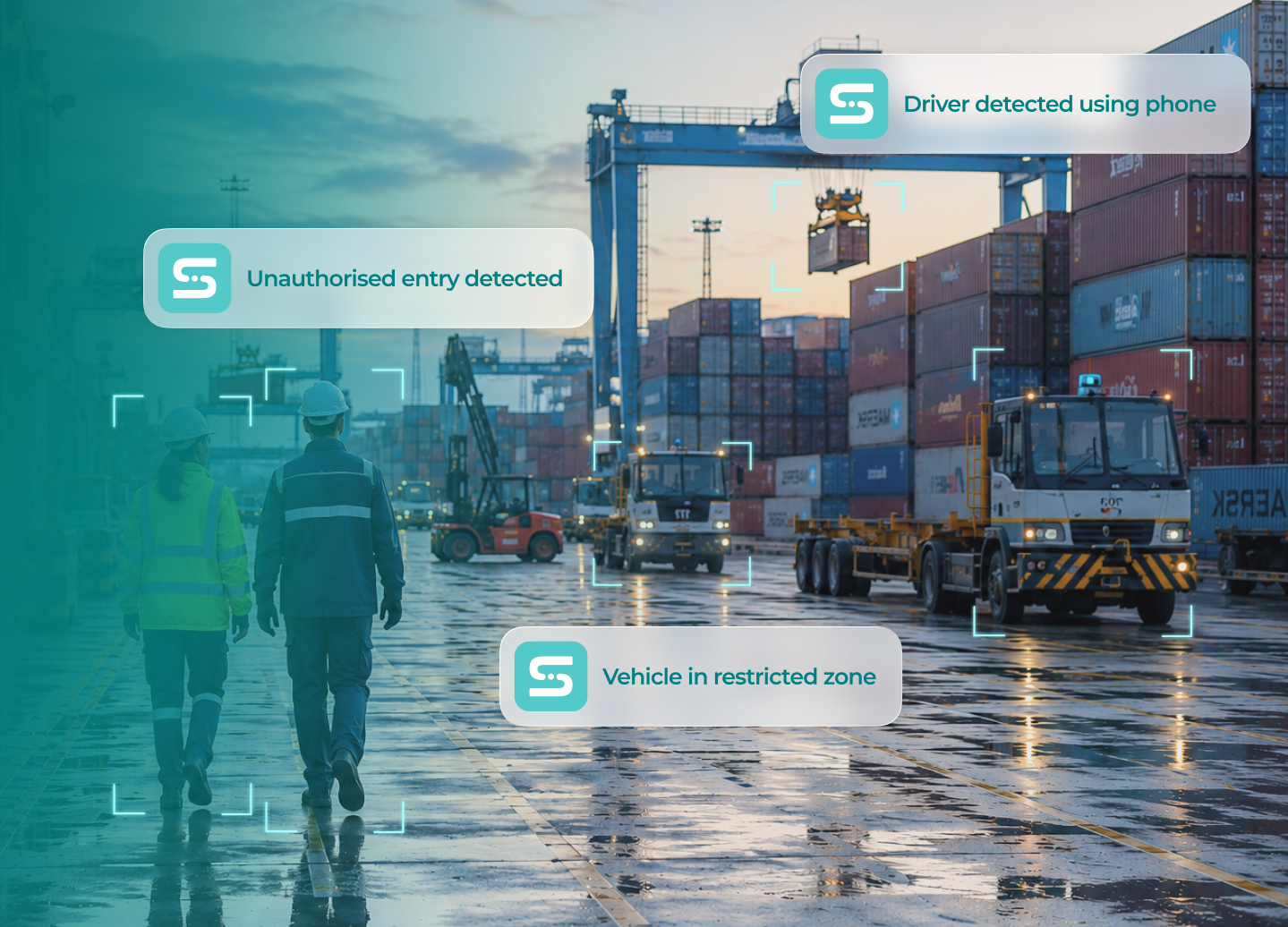
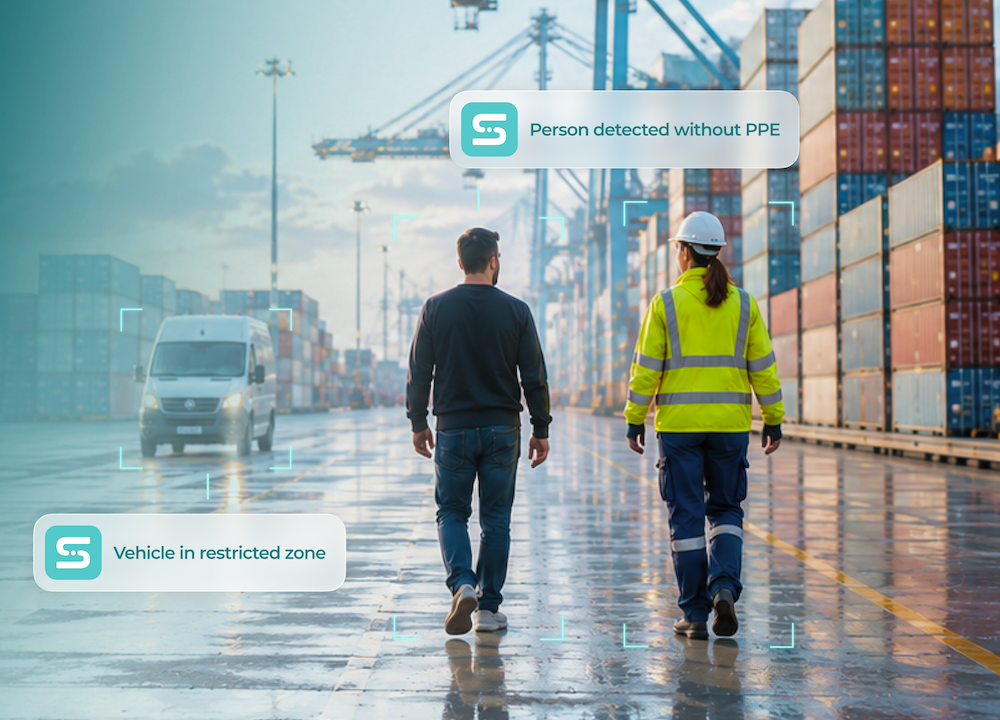
By correlating events across multiple systems, SIYTE helps organisations understand operational context, prioritise risk and coordinate faster responses. Rather than simply generating alerts, it helps teams understand what matters most and what action should happen next.
The commercial case is equally compelling.
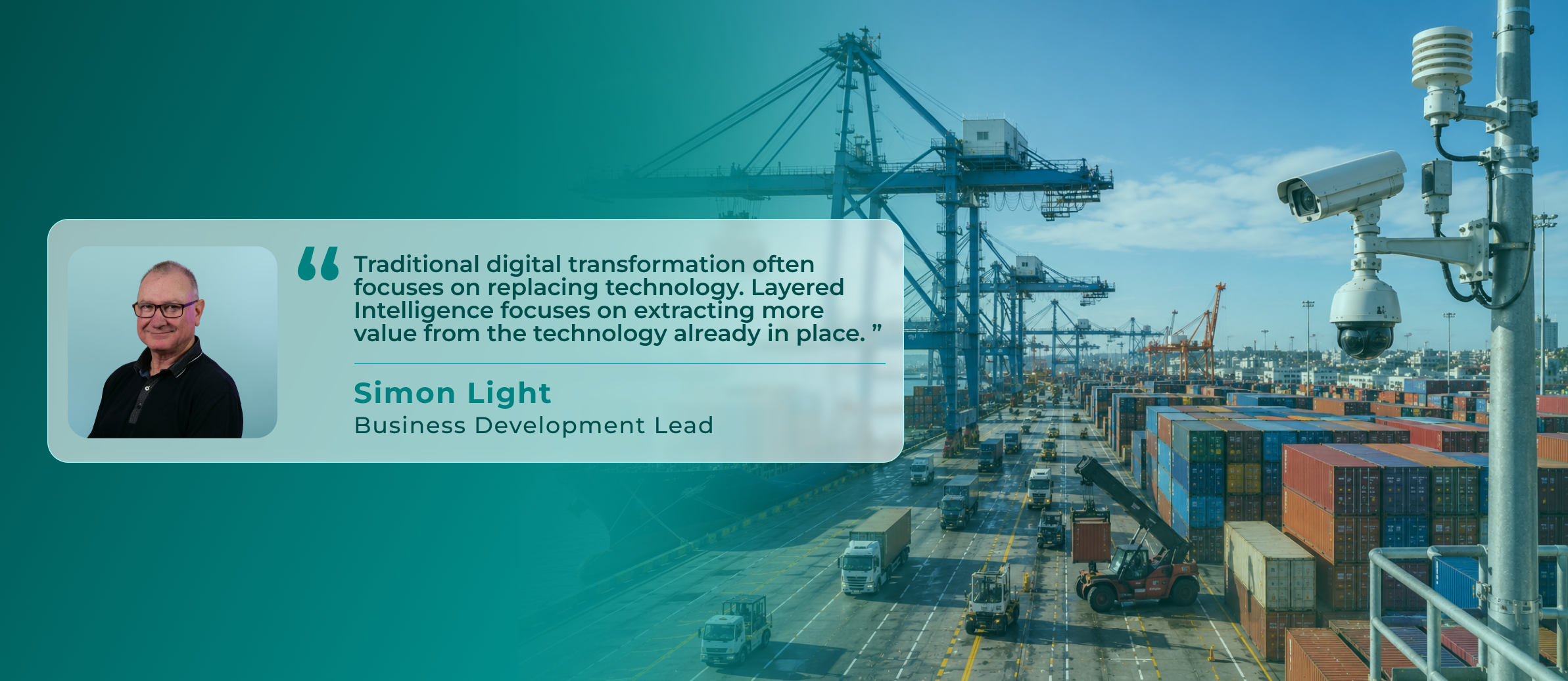
Traditional digital transformation often focuses on replacing technology. Layered Intelligence focuses on extracting more value from the technology already in place.
Existing cameras become intelligent operational sensors. Environmental data gains context alongside security events. Separate systems become part of a shared operational intelligence layer.
For ports, that means improving restricted-zone monitoring, strengthening incident response and increasing visibility across large, complex operational environments. The same principle applies across rail, manufacturing, logistics, utilities and critical infrastructure.
Digital transformation isn't about adding more technology.
It's about making the technology you already have work smarter.
That's what Layered Intelligence delivers.